Not all countertops respond to hot pans the same way. A surface may look strong, but direct heat from a pan, baking dish, or small appliance can still cause damage depending on the material.
Cookware taken directly from the oven or stovetop can cause discoloration, cracks, scorch marks, weakened sealers, or surface damage. Even a resistant countertop should not be treated as completely heat-proof.
This guide explains which surfaces handle heat best, what can happen when a hot pan is placed directly on a counter, which materials need extra caution, and how to protect countertops from avoidable damage.
Countertop Materials That Handle Heat Well
|
Material |
Approx. Heat Resistance |
Heat Resistance |
Best Practice |
|
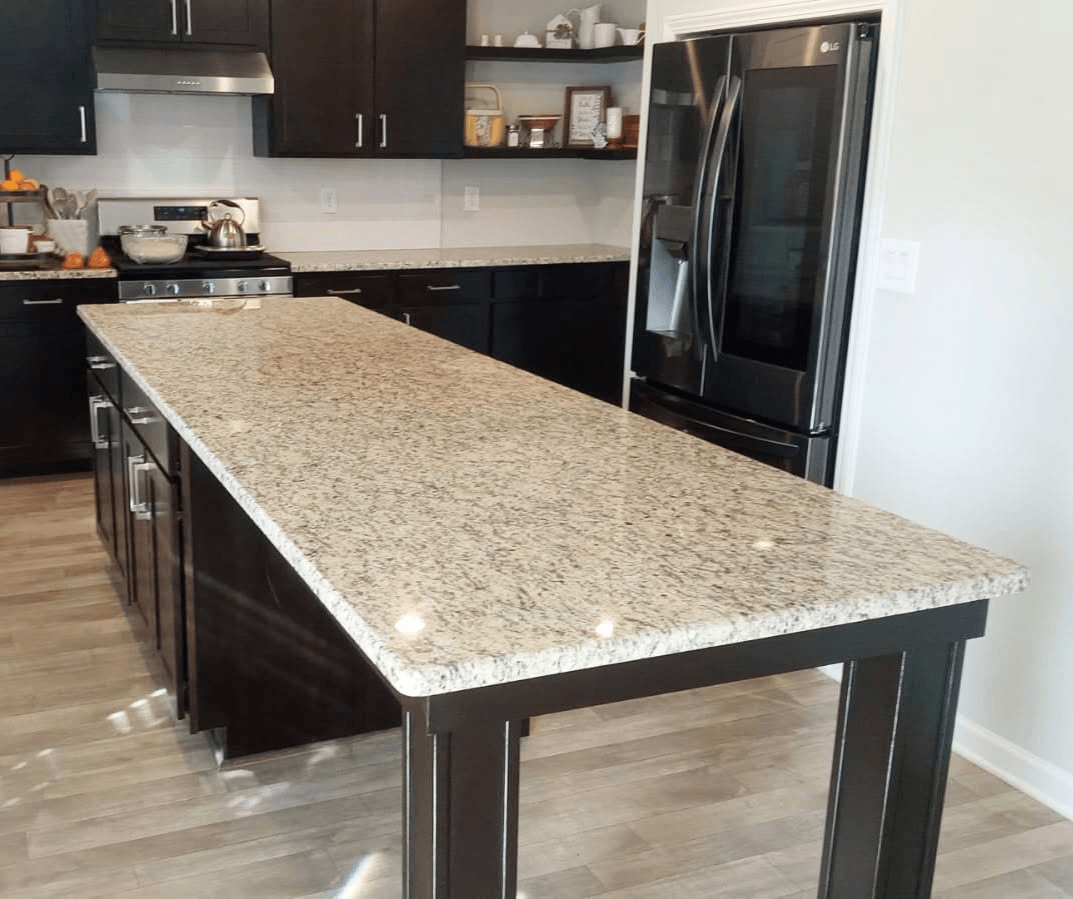
Granite |
Up to ~480°F (250°C) |
High |
Use trivets when possible |
|
Quartzite |
Up to ~500°F (260°C) |
High |
Avoid sudden temperature changes |
|
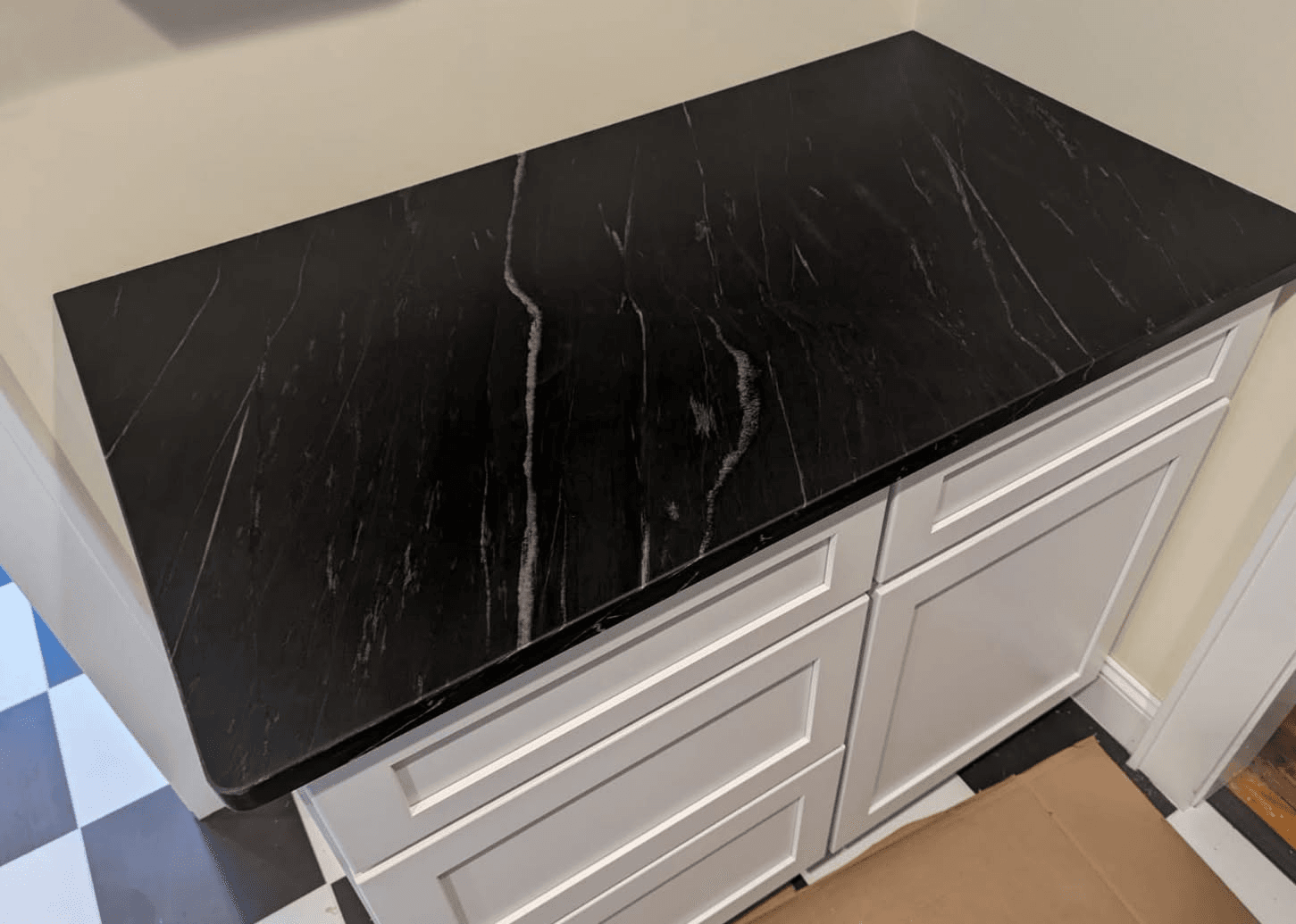
Soapstone |
Up to ~500°F (260°C) |
High |
Use trivets for very hot cookware |
|
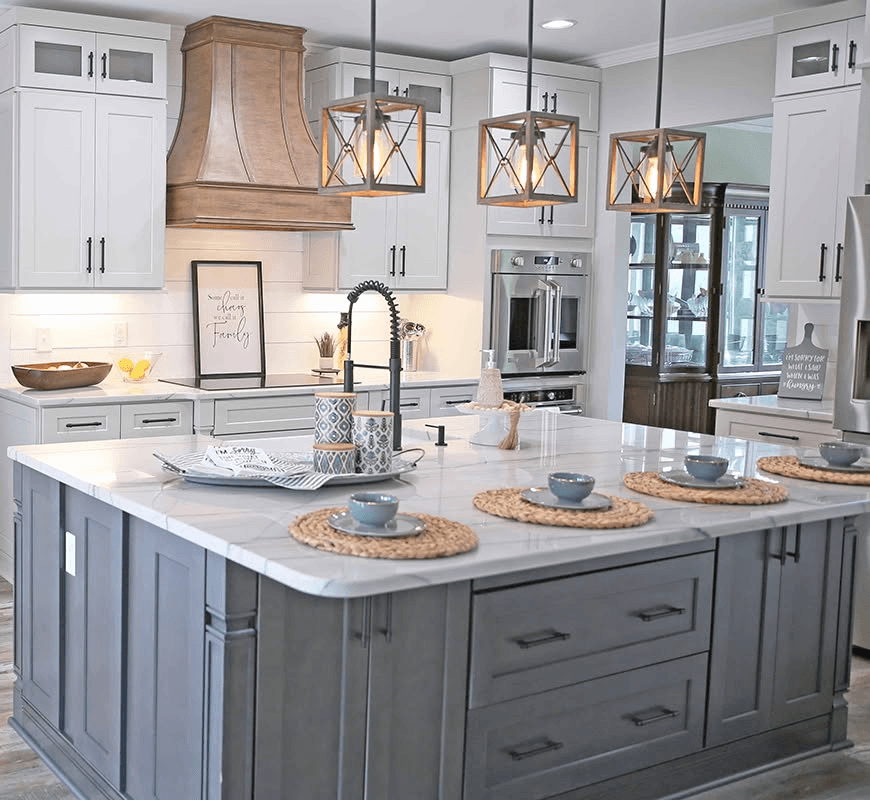
Marble |
Up to ~350°F (175°C) |
Moderate–High |
Use trivets and avoid thermal shock |
|
Porcelain |
Up to ~1,200°F (650°C) |
Very High |
Follow manufacturer guidelines |
|
Concrete |
Up to ~300°F (150°C)* |
Moderate–High |
Protect the sealer and use trivets |
What Happens If You Put a Hot Pan on a Countertop?
Discoloration
High heat can change the color of some surfaces. Light counters may show yellow or brown marks, while darker surfaces may develop dull or cloudy spots.
Scorch Marks
Some materials can scorch when exposed to direct heat. This is more common with laminate, some solid surfaces, and engineered materials that contain resins.
Cracking
Sudden temperature change can create stress in the surface. High temperatures and thermal shock may lead to cracks, especially near seams, edges, or weak points.
Sealer Damage
Natural stone may survive the heat, but the sealer can still be affected. A damaged sealer may leave the surface more vulnerable to stains and moisture.
Different Materials React Differently
Natural stone and engineered surfaces do not respond to heat in the same way. This is why homeowners should follow care instructions for the specific product installed in their kitchen.
Countertops That Should Not Have Hot Pans Placed on Them
Quartz
Quartz is durable and low maintenance, but it contains resin. Direct heat can damage the resin and cause discoloration, dullness, or cracking.
Laminate
Laminate is vulnerable to burns and melting. Hot pans should never be placed directly on laminate counters.
Solid Surface
Solid surface counters can scorch or discolor from direct heat. Some damage may be repairable, but prevention is much easier.
Butcher Block
Wood surfaces can burn, dry out, or develop dark marks. Hot cookware should always be placed on a trivet or heat-safe pad.
Sealed Stone Surfaces
Even stone counters should be treated carefully. The stone may resist heat, but the finish, sealer, or surrounding seams may not.
How to Protect Countertops From Hot Cookware
Use Trivets Every Time
The safest habit is to use trivets, hot pads, or cooling racks for pots, pans, baking sheets, and dishes straight from the oven or stovetop.
Protect Appliance Areas
Air fryers, slow cookers, toaster ovens, and electric griddles can trap heat underneath. Use a heat-safe mat when these appliances run for long periods.
Avoid Seams and Edges
Seams and edges can be more vulnerable than the center of the slab. Keep very hot items away from these areas when possible.
Let Items Cool First
If possible, let cookware cool on the stove or another protected surface before setting it on the counter. This simple habit reduces the risk of heat damage.
East Coast Granite of Wilmington can help homeowners compare surfaces, understand maintenance needs, and choose materials that fit their cooking habits.
The best choice depends on style, budget, use, and care expectations. With professional guidance and good daily habits, homeowners can enjoy a beautiful counter that performs well for years.