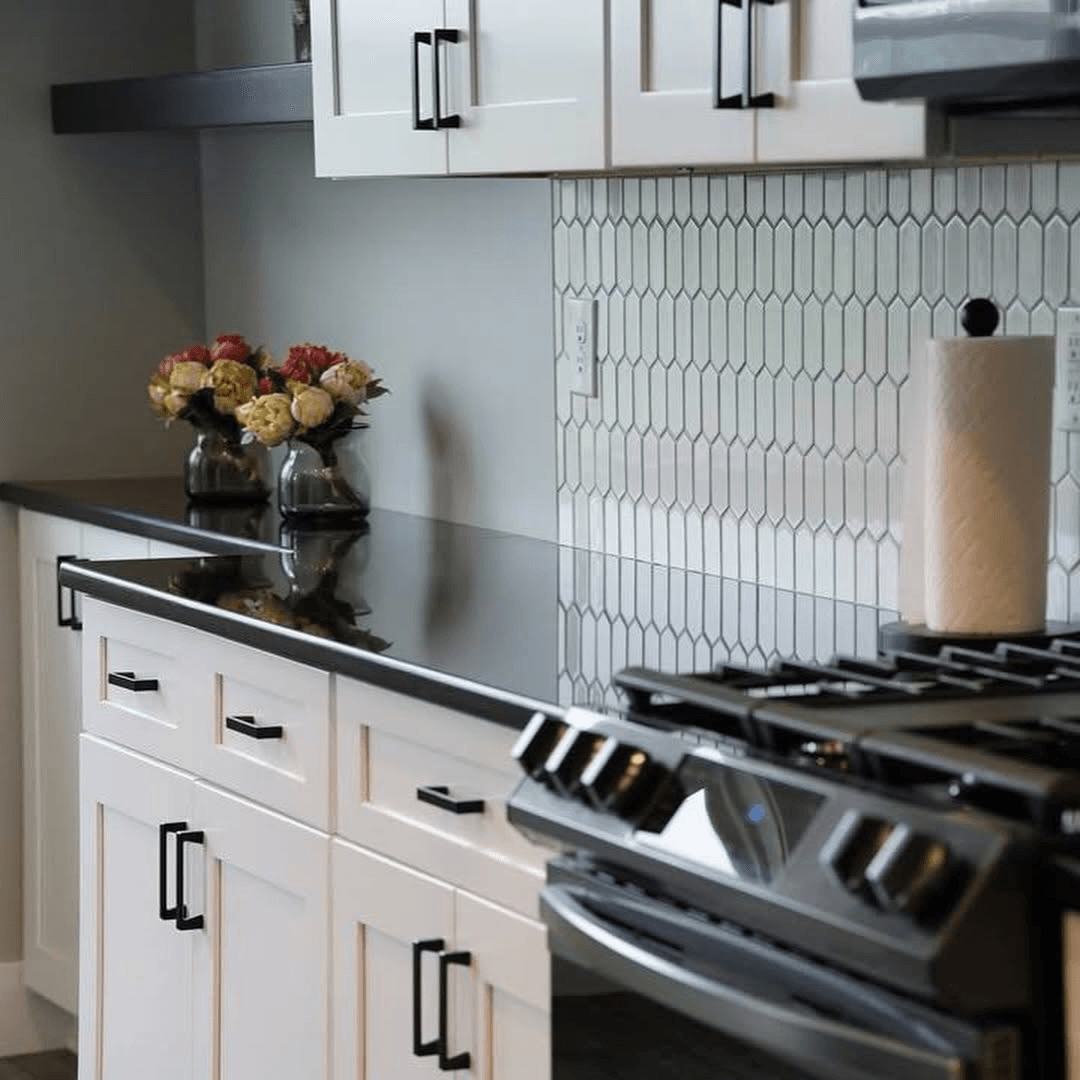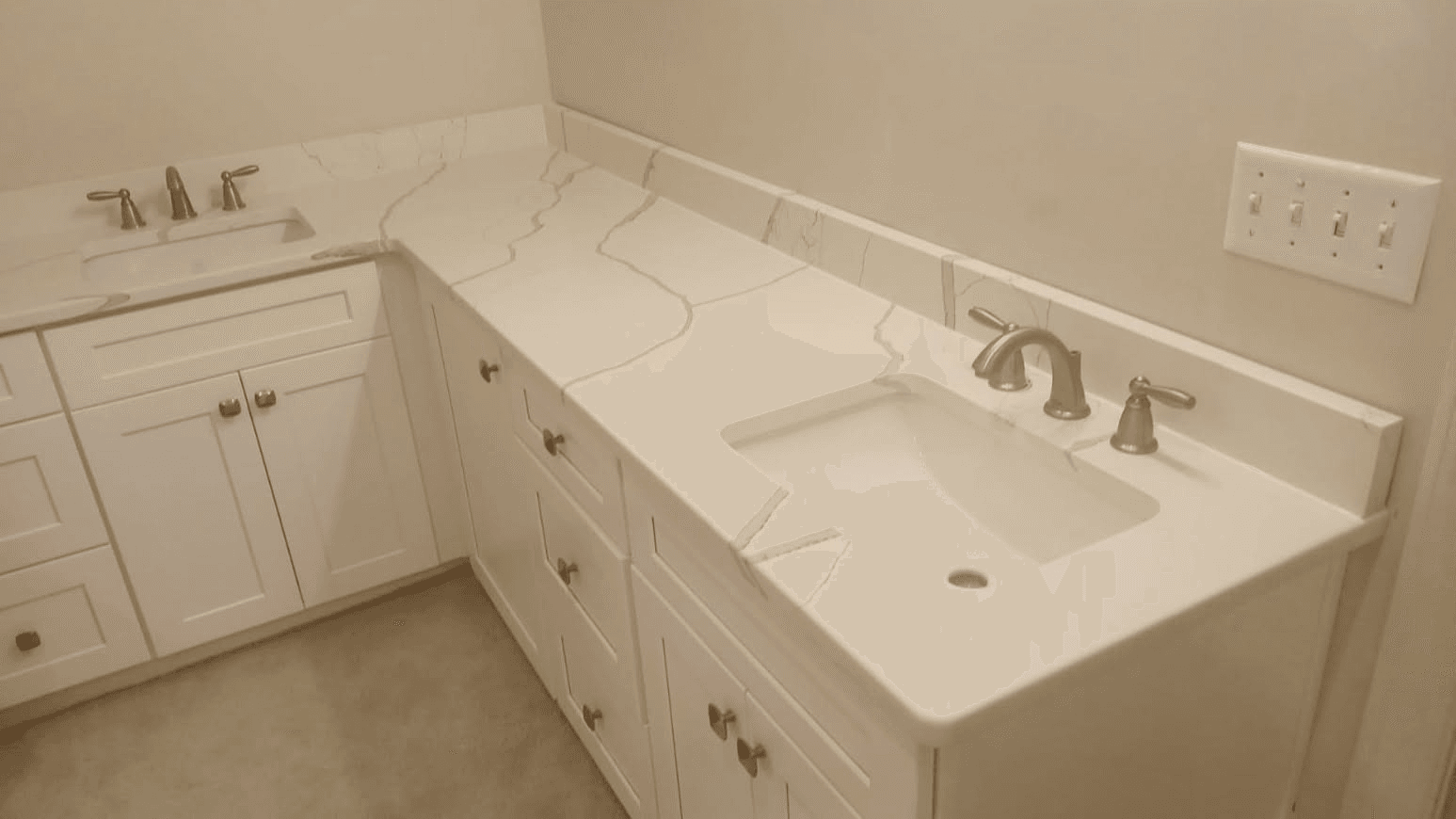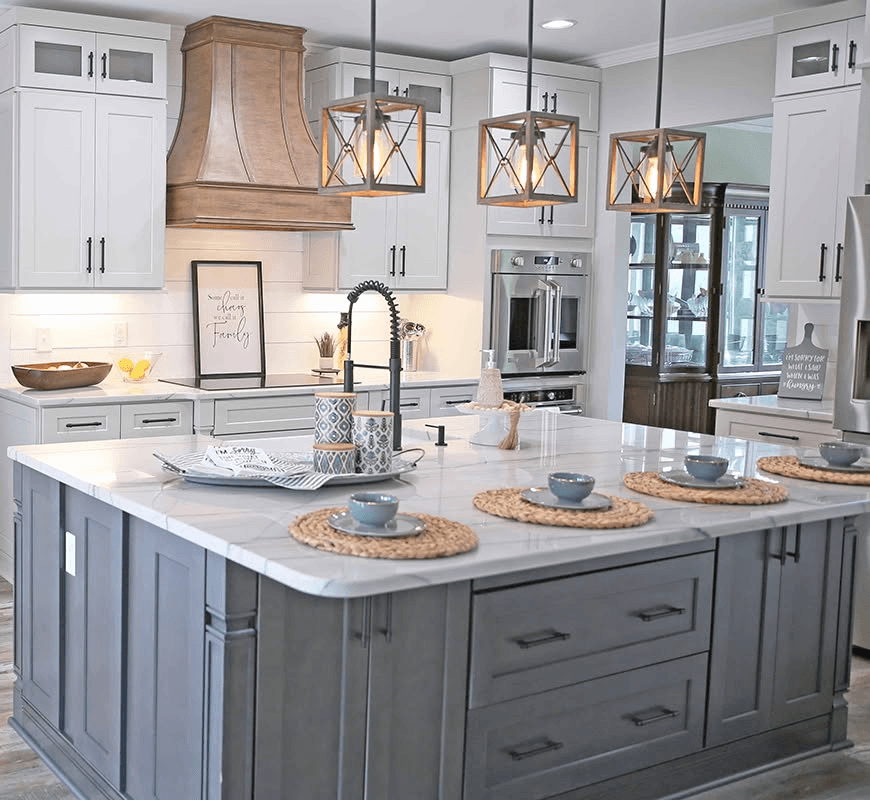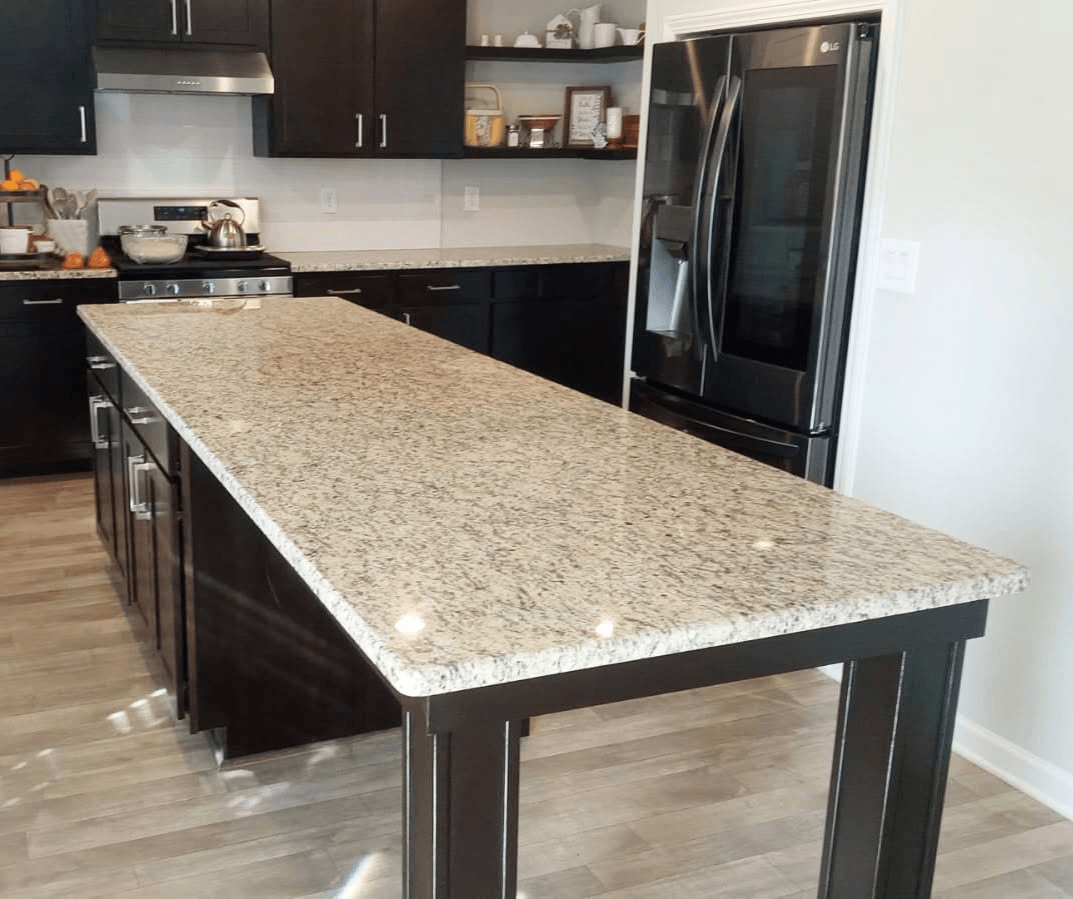
Updating your countertops is one of the most effective ways to improve a kitchen without starting a full remodel. Countertops are used every day for cooking, cleaning, serving, and organizing, but they also play a major role in how the entire room looks.
Many Wilmington homeowners consider countertop replacement because their current surfaces are worn, outdated, stained, or no longer practical. Others want a better layout, more durable material, or a kitchen that feels cleaner and more modern.
A successful project includes several important decisions. Homeowners need to compare materials, understand cost factors, plan the installation process, and choose a surface that fits both daily use and design goals.
This guide explains the key signs that it may be time for new countertops, the most popular materials in Wilmington, and practical tips for making the right countertop selection for your home.
Signs It’s Time to Replace Your Countertops
Visible Damage
Cracks, chips, burns, and deep scratches are common signs that your countertops may need to be replaced.
Small marks can sometimes be repaired, but larger damage can affect both appearance and function. If the surface is no longer smooth or safe for food preparation, it may be time to consider a new countertop surface.
Damaged countertops can also make the kitchen feel older, even when the rest of the room is in good condition.
Stains That Will Not Come Out
Some older countertops absorb stains over time. Coffee, wine, oil, sauces, and cleaning products can leave marks that become difficult to remove.
If regular cleaning no longer restores the surface, replacement may be the better long-term solution.
A new material can make the kitchen feel cleaner and easier to maintain.
Outdated Style
Countertops have a major effect on the full kitchen design. Old colors, busy patterns, or worn finishes can make the room feel dated.
Replacing the countertop can help the kitchen feel brighter, more balanced, and more current. It can also make cabinets, backsplash, and flooring look more polished together.
This is one reason many homeowners update countertops before changing the entire kitchen.
Poor Functionality
Sometimes the problem is not only the material. It may be the layout.
A kitchen may not have enough prep space. The island may feel too small. The sink area may be difficult to use. The surface may be hard to clean or poorly placed around appliances.
New countertops can improve both appearance and daily function.
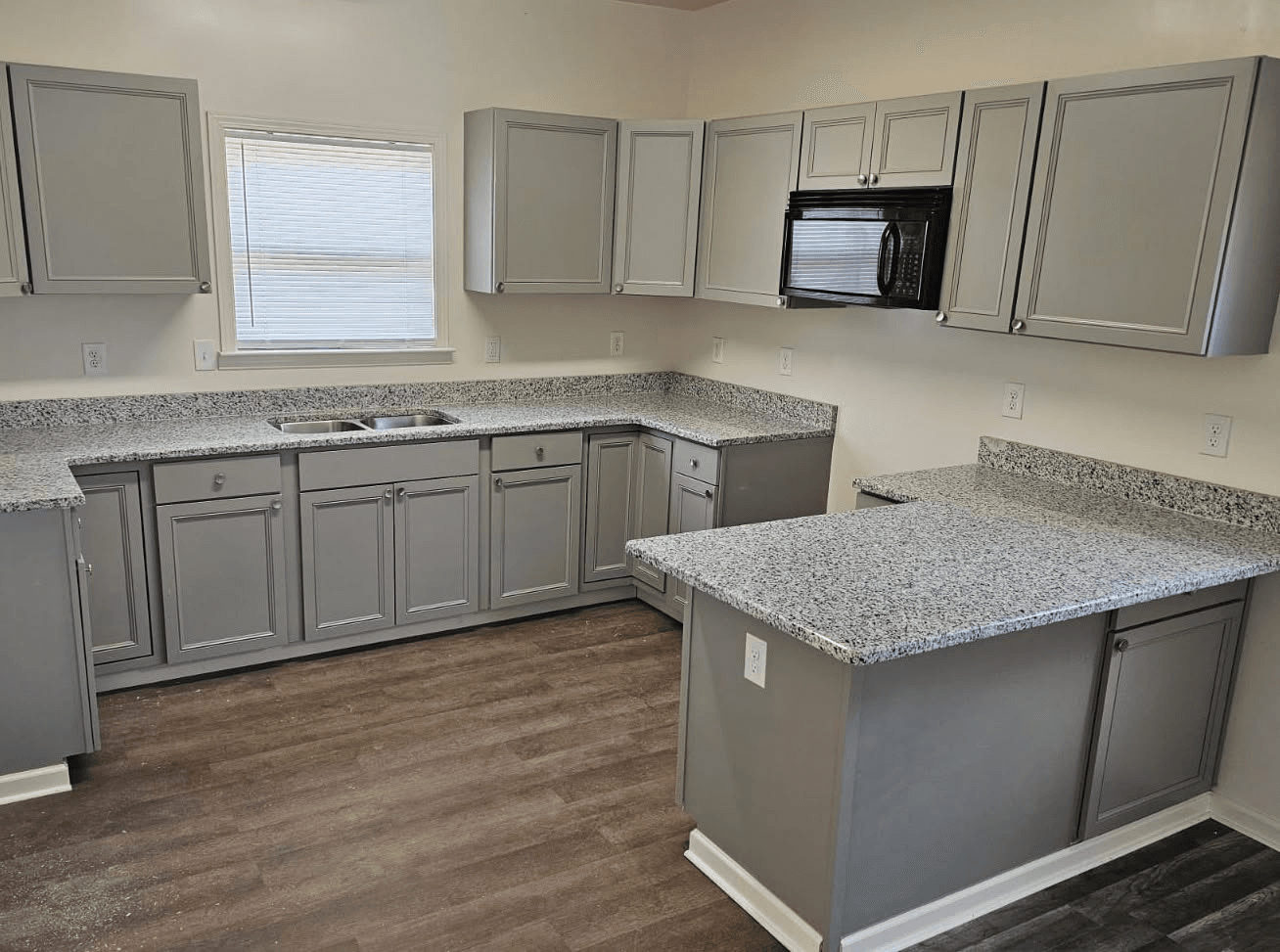
Popular Countertop Materials in Wilmington
Quartz
Quartz is one of the most popular choices for modern kitchens. It is engineered for durability, consistency, and easy maintenance.
It is non-porous, which means it does not need sealing. It also resists stains well and comes in many colors and patterns.
Quartz is a strong choice for homeowners who want a clean look with less upkeep.
Granite
Granite is a natural stone option known for strength, heat resistance, and unique patterns.
Each slab has its own movement and color, which makes every kitchen feel different. Granite countertops are a good choice for homeowners who want durability and natural character.
With proper sealing, granite can perform well in busy kitchens for many years.
Marble
Marble offers a classic and elegant appearance. It is often chosen for its soft veining and luxury feel.
It can make a kitchen look refined and bright, especially when paired with simple cabinets and subtle hardware.
However, marble needs more care than quartz or granite. It can stain or etch if spills are not cleaned quickly.
Laminate
Laminate is a budget-friendly option for homeowners who want a simple update.
It is available in many colors and patterns, including designs that imitate stone or wood. It may not offer the same durability as stone, but it can work well for rental properties, light-use kitchens, or cost-conscious projects.
Solid Surface and Butcher Block
Solid surface materials are easy to clean and offer a smooth, simple look. They can work well in kitchens, bathrooms, and laundry rooms.
Butcher block adds warmth and a natural feel. It works best for homeowners who like wood texture and are comfortable with regular maintenance.
When comparing different types of countertops, it is important to consider both style and daily care.
The Replacement Process
Consultation and Material Selection
The process usually begins with a consultation. This is when homeowners compare colors, samples, finishes, and material options.
Seeing materials in person can make a big difference. Photos do not always show the true color, texture, or movement of stone countertops.
A visit to a physical showroom can help homeowners feel more confident before making a final decision.
Measuring and Templating
After the material is selected, the kitchen is measured carefully.
Templating helps ensure the new countertops fit the space correctly. This step includes sink locations, appliance openings, wall angles, seams, and edge details.
Accurate measurements are important for a clean finished result.
Fabrication
During fabrication, the selected slab or material is cut and prepared for the kitchen.
This may include edge shaping, sink cutouts, cooktop cutouts, and polishing. A natural stone countertop requires skilled fabrication because each slab is unique.
This step helps turn the selected material into a finished surface ready for installation.
Installation
Installation usually includes removing the old countertops, preparing the area, setting the new surfaces, securing them, and checking the fit.
Homeowners may need to clear counters, remove small items, and make sure installers can access the work area.
Professional installation helps reduce problems with seams, edges, gaps, or uneven placement.
Tips for Choosing the Right Countertop
Think About Daily Use
Start by thinking about how you use your kitchen.
If you cook often, you may need a durable surface that can handle spills, heat, and frequent cleaning. If your kitchen is used lightly, you may have more flexibility with decorative materials.
The right choice should match your routine, not just the latest trend.
Compare Maintenance Needs
Each material requires a different level of care.
Quartz is low maintenance. Granite may need sealing. Marble needs more careful cleaning. Laminate is affordable but may not last as long under heavy use.
Before choosing, think about how much time you want to spend on cleaning and upkeep.
Coordinate With the Full Kitchen
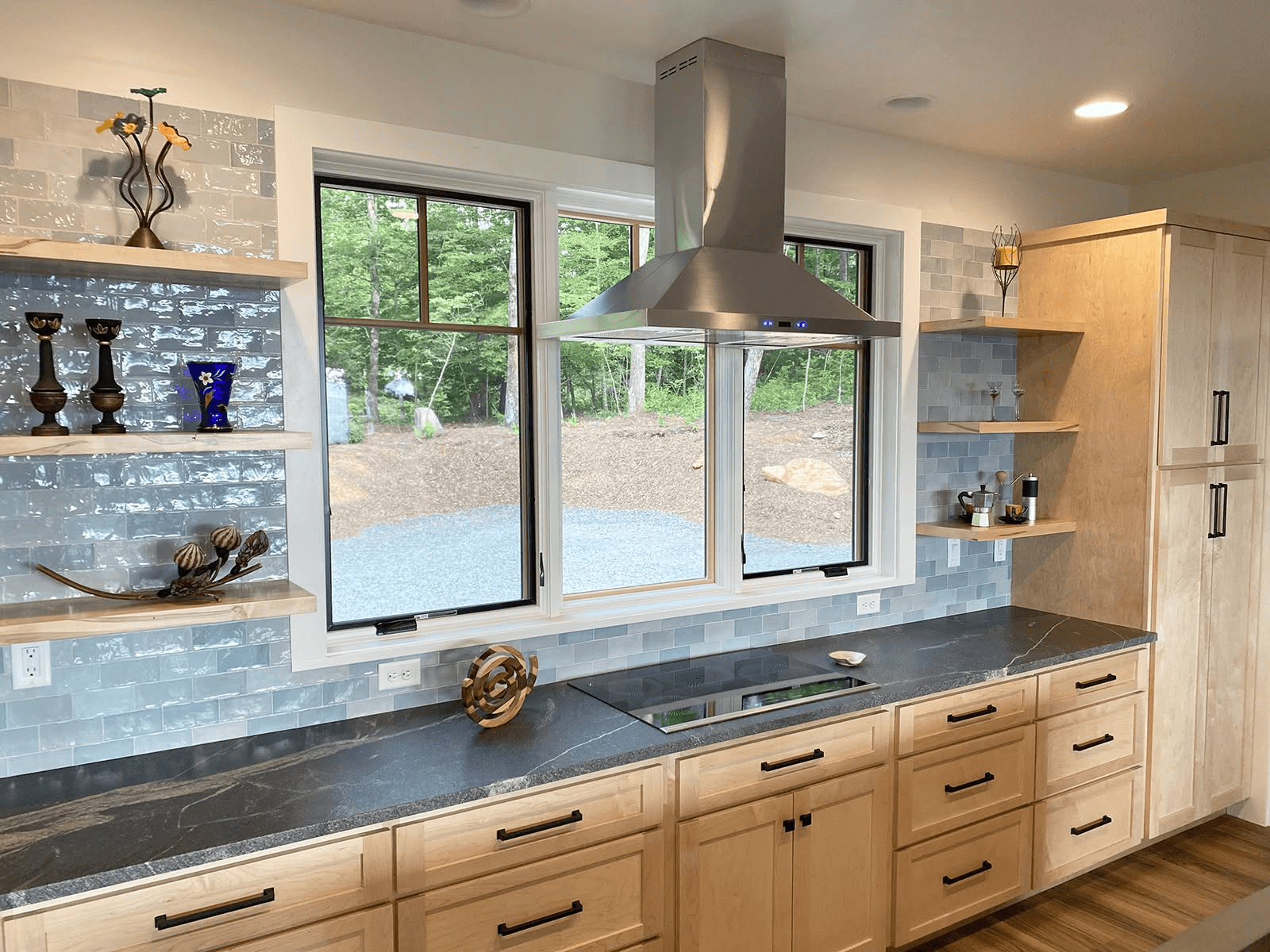
Countertops should work with cabinets, backsplash, flooring, lighting, and appliances.
A bold countertop can become the focal point of the room. A softer pattern can help create a calm and balanced design.
The best kitchen countertops should support the full style of the home.
Consider Local Needs
Wilmington homes include many different styles, from coastal-inspired kitchens to classic and transitional spaces.
The right material should fit your home’s design, your budget, and your long-term plans. It is also helpful to work with a company that understands the local service area and common homeowner preferences.
Local guidance can make the selection process easier.
Get Expert Help With Your Wilmington Countertops
Work With a Trusted Local Team
East Coast Granite of Wilmington helps homeowners compare countertop materials, review samples, and plan a smooth installation.
The team can explain the pros and cons of quartz, granite, marble, laminate, solid surface, and other options. This helps homeowners choose a surface that fits their kitchen and lifestyle.
Start Your Project
If your countertops are worn, outdated, or difficult to maintain, a replacement project can make your kitchen feel new again.
Contact East Coast Granite of Wilmington to schedule a consultation, explore materials in person, or request a quote for your next countertop project.