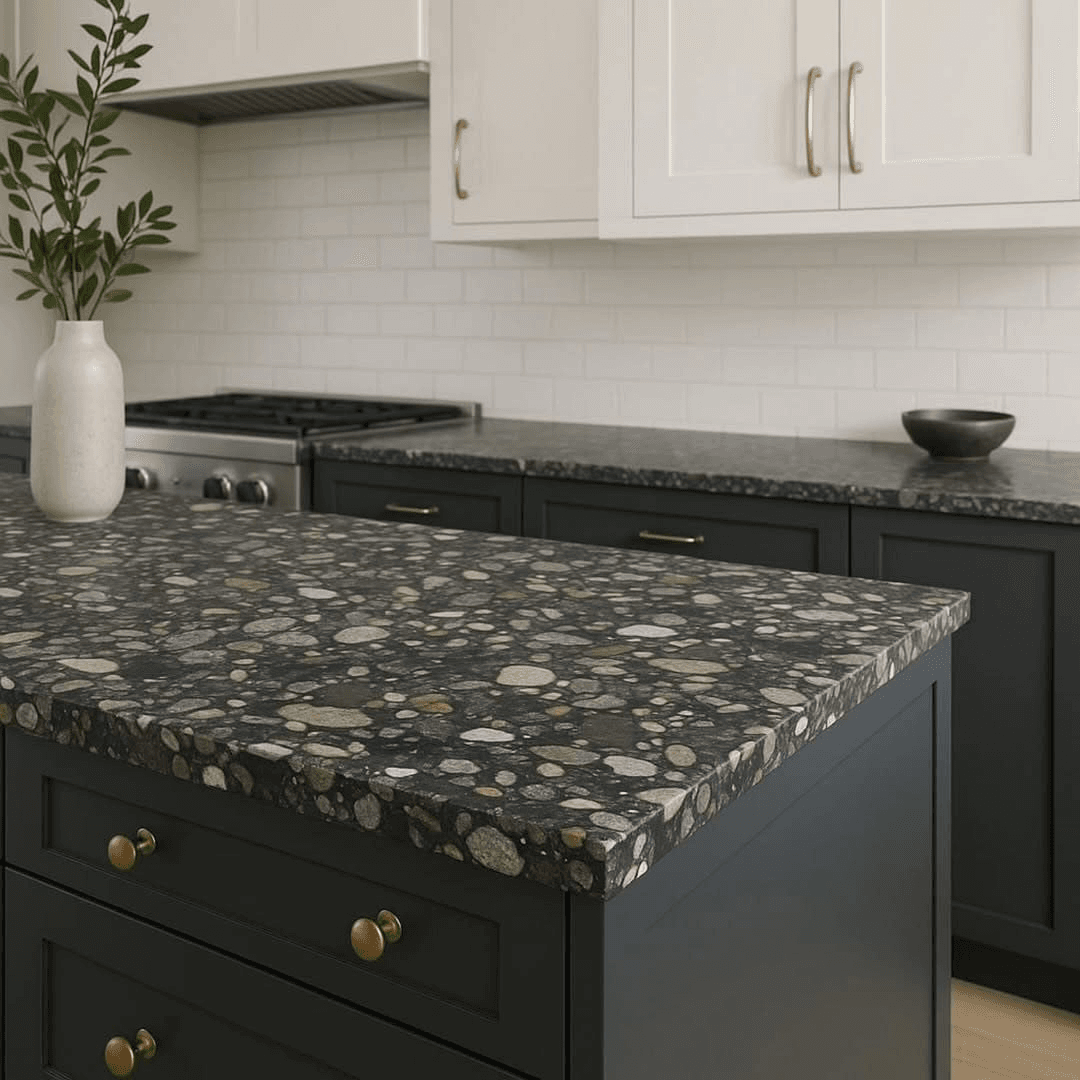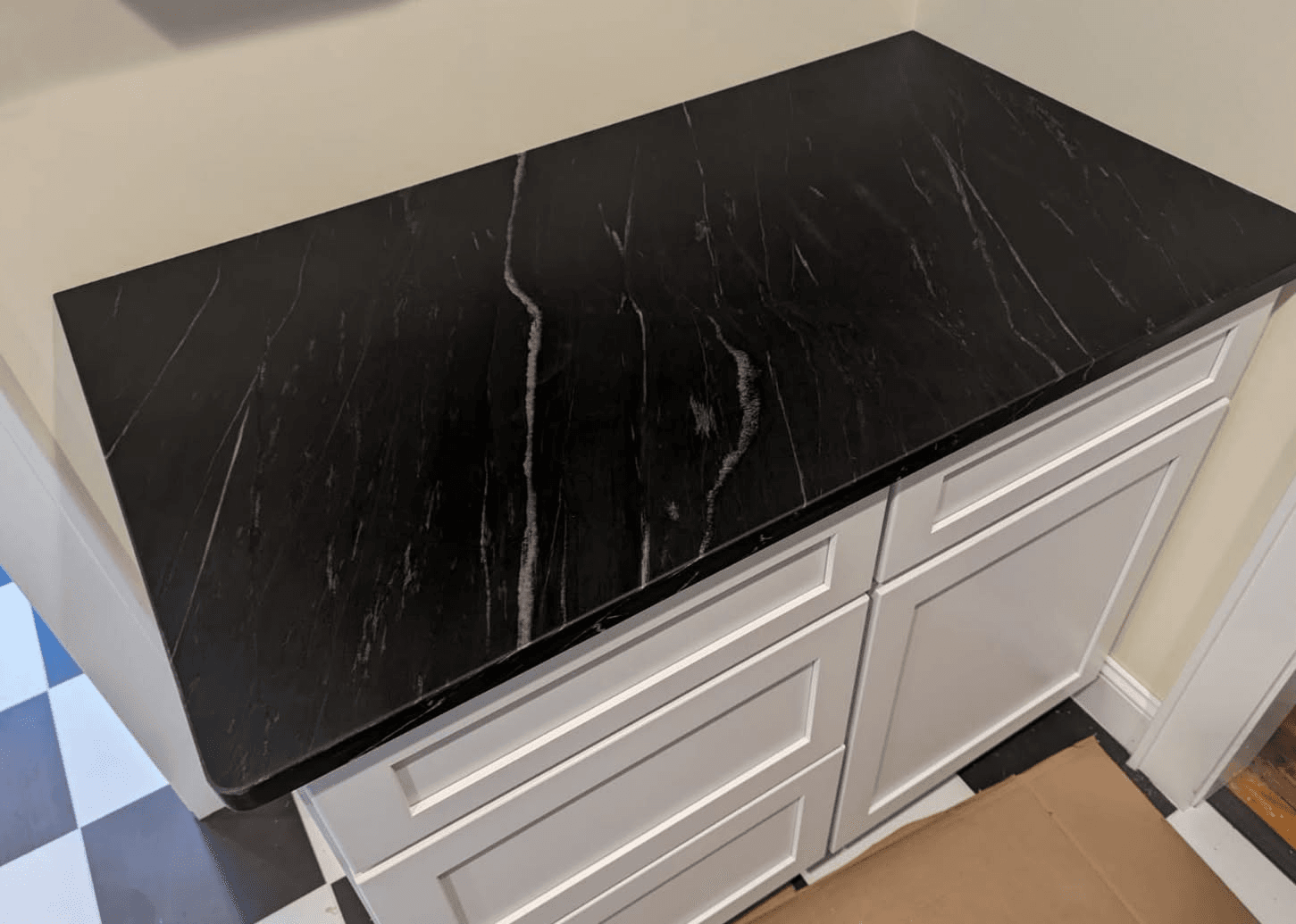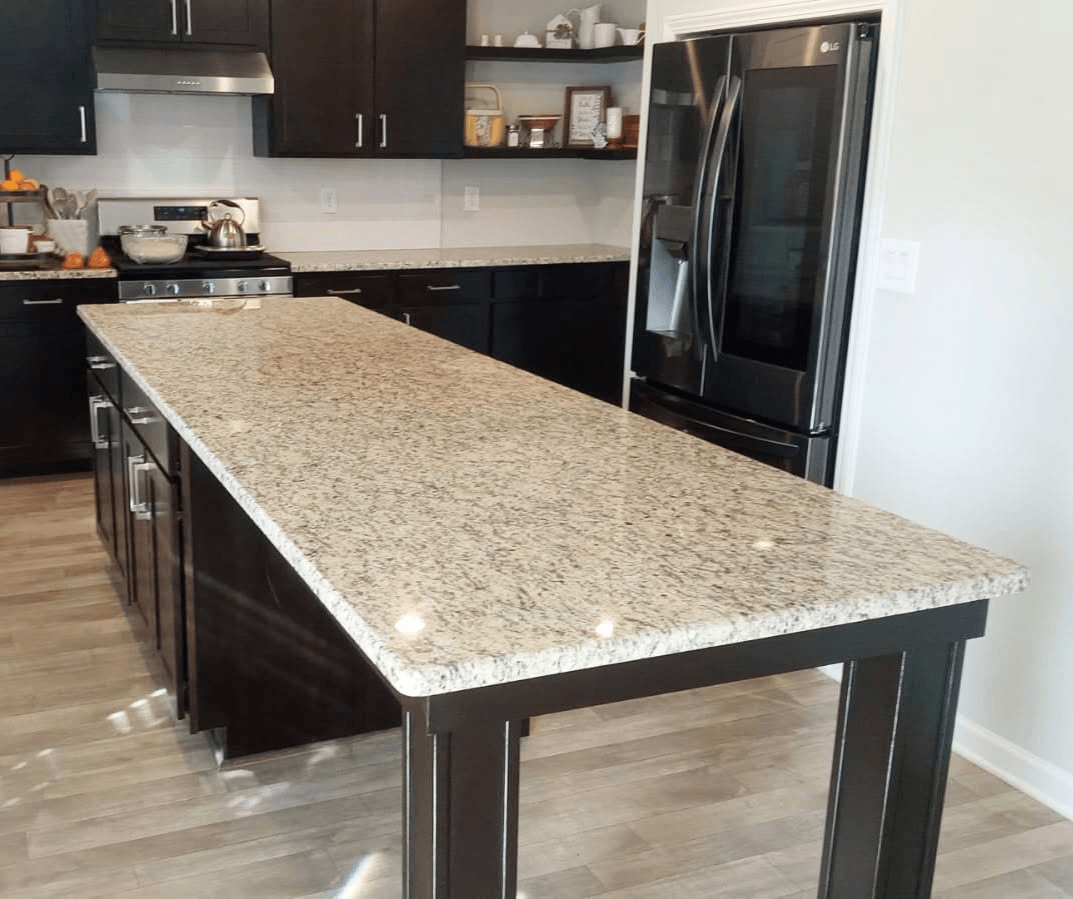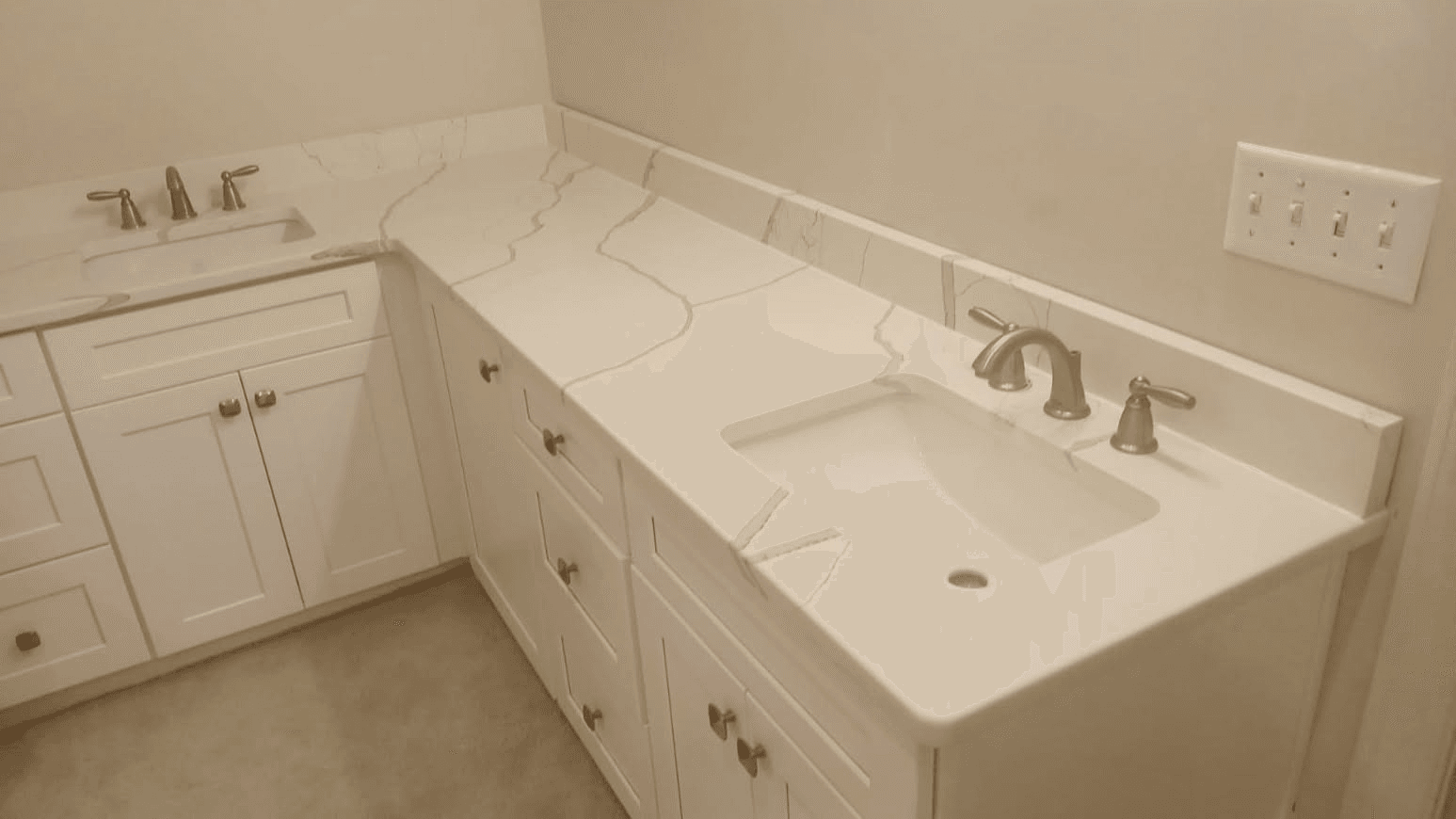
If you are planning a kitchen remodel, choosing the right countertop is one of the most important decisions. The surface affects how your kitchen looks, how it works, and how easy it is to maintain every day.
Quartz countertops and quartzite countertops are both popular choices for Wilmington homeowners. They offer beauty, durability, and strong long-term value, but they are not the same material.
This guide explains the key differences in appearance, maintenance, cost, and daily performance. It will help you compare these countertop materials and choose the best option for your kitchen.
East Coast Granite of Wilmington can help you review slabs, compare designs, and make a confident choice for your home improvement project.
Quartz vs. Quartzite: What’s the Difference?
Quartz Is Engineered
Quartz countertops are made from quartz minerals mixed with resins, pigments, and other materials. This creates a strong engineered surface with a consistent look.
Because quartz is manufactured, it often has more predictable colors and patterns. This is helpful if you want a clean, controlled design.
Many homeowners choose kitchen quartz because it is easy to clean and does not need sealing.
Quartzite Is Natural Stone
Quartzite countertops are made from natural stone. The material begins as sandstone and changes over time through heat and pressure.
Because it is natural, each slab has its own movement, color, and pattern. Some quartzite looks similar to marble, but it usually offers stronger daily performance.
Homeowners who want a unique surface often prefer quartzite because no two slabs look exactly alike.
Appearance and Pattern
Quartz is more consistent. It can look simple, modern, soft, or dramatic depending on the design.
Quartzite has more natural variation. It often includes veining, depth, and movement that give the kitchen a high-end look.
If you want a very controlled pattern, quartz may be better. If you want a one-of-a-kind stone surface, quartzite may be the stronger choice.
Maintenance Needs
Quartz is low maintenance. It does not need sealing and can usually be cleaned with mild soap and water.
Quartzite may need a proper seal to protect it from stains and moisture. The sealing schedule depends on the specific slab and how often the kitchen is used.
This is one of the biggest differences between the two materials.
Design Considerations for Wilmington Homes
Coastal Style
Many Wilmington kitchens use light, airy colors and natural textures. Both quartz and quartzite can support this look.
Quartz works well for clean white, soft gray, beige, and marble-look designs. It is a good choice for homeowners who want a bright coastal kitchen with simple care.
Quartzite works well when you want natural movement and a more organic look. It can add depth without making the room feel heavy.
Natural Light
Countertops can look different depending on the lighting in your home.
In bright kitchens, quartzite veining can appear more dramatic. Quartz may look smoother and more uniform.
Before choosing a slab, view samples in your kitchen lighting if possible. Natural light, cabinet color, and backsplash material can all change the final look.
Matching Cabinets and Backsplash
The countertop should work with the full kitchen design.
If your cabinets are simple, a bold quartzite slab can become the main design feature. If your cabinets or backsplash already have strong detail, a calmer quartz surface may create better balance.
East Coast Granite of Wilmington can help you compare samples with cabinets, flooring, and backsplash options.
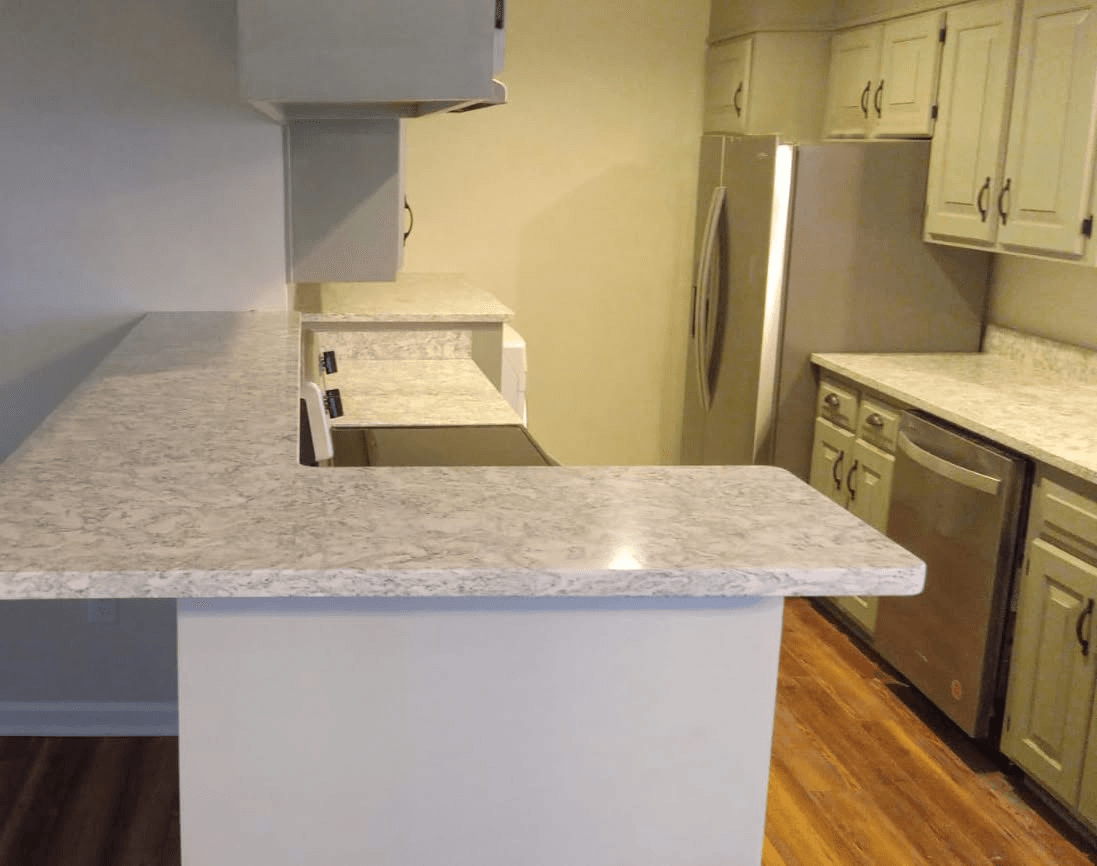
Durability and Daily Use
Scratch Resistance
Both materials are durable, but they perform differently.
Quartz is strong and resists many common stains and scratches. It is a practical option for busy families and everyday cooking.
Quartzite is also very strong, especially when properly sealed and maintained. It can be a great choice for homeowners who want the look of natural stone with strong performance.
Heat Resistance
Quartzite usually handles heat better than quartz because it is a natural stone.
Quartz can be affected by high temperatures because of the resins inside the material. Hot pans should not be placed directly on quartz surfaces.
Even with quartzite, it is still smart to use trivets or hot pads. Good habits help protect any countertop.
Stain Resistance
Quartz has strong stain resistance because it is non-porous.
Quartzite can also resist stains well, but only when sealed correctly. Without sealing, liquids may absorb into the stone and leave marks.
If you cook often or have a busy household, this maintenance difference is important.
Cleaning
Quartz is very easy to clean. Most daily messes can be handled with mild soap, warm water, and a soft cloth.
Quartzite also cleans well, but harsh cleaners should be avoided. Stone-safe products are usually best.
Simple cleaning habits help both surfaces stay attractive for years.
Which Countertop Is Right for Your Kitchen?
Choose Quartz If You Want Easy Care
Quartz countertops are a good fit if you want low maintenance, consistent color, and strong everyday performance.
They are especially useful in busy kitchens, rental properties, bathrooms, and family homes.
Quartz is also a strong choice if you want a modern design with predictable patterns.
Choose Quartzite If You Want Natural Beauty
Quartzite countertops are a strong choice if you want a unique stone look and natural movement.
They work well in statement kitchens, large islands, and homes where the countertop is a main design feature.
Quartzite may require more care, but many homeowners feel the natural beauty is worth it.
Think About Your Budget
Quartz and quartzite can vary in price depending on slab selection, layout, edge style, and installation needs.
Quartz is often more predictable in both design and pricing. Quartzite can cost more, especially for rare slabs or complex installations.
The best choice depends on your budget, style goals, and daily routine.
Consider How You Use the Kitchen
If you cook daily and want simple cleaning, quartz may be easier.
If you love natural stone and are comfortable with sealing and maintenance, quartzite may be the better fit.
There is no single best choice for every home. The right countertop is the one that matches your lifestyle.
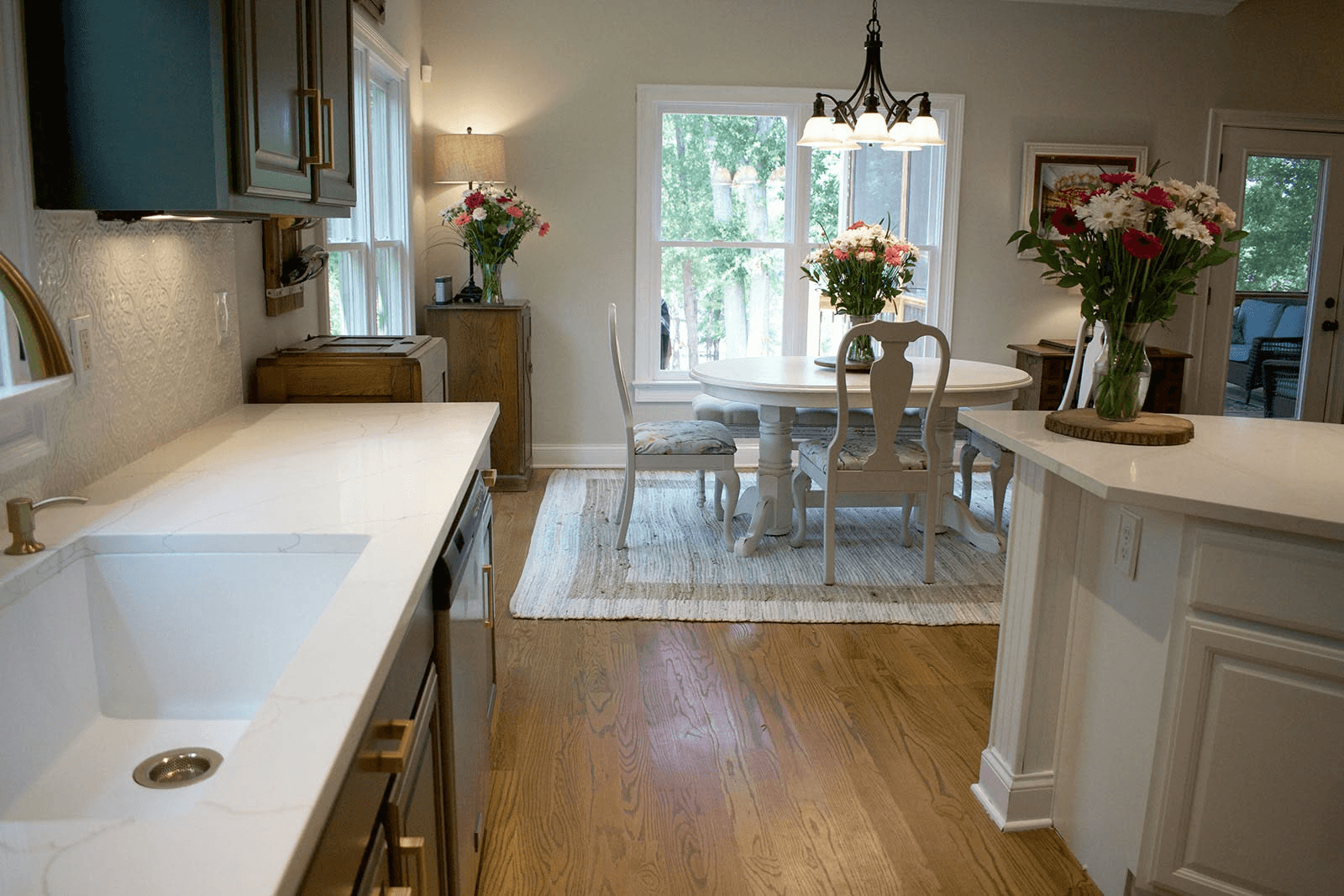
Why Choose East Coast Granite of Wilmington for Quartz and Quartzite
Local Material Guidance
East Coast Granite of Wilmington helps homeowners compare quartz and quartzite in a clear and practical way.
The team can explain appearance, durability, maintenance, price differences, and design options. This makes the selection process easier and less stressful.
Local guidance is especially helpful for Wilmington homes, where coastal style and daily durability both matter.
Contact East Coast Granite of Wilmington to schedule a consultation, visit the showroom, or request a quote.